Key Takeaways
Stable engraving quality depends on laser control, material consistency, and image processing workflow.
Real cost is driven by yield rate, processing time, and defect control, not just machine price.
Entry markets like memorial and personalized gifts offer faster validation and higher margins.
Scaling requires standardized workflow, not just more machines.
Supplier quality for crystal blanks and system stability directly affects long-term profitability.
Starting a 3D crystal engraving business seems simple, but unstable quality and high reject rates quickly increase cost. Without process control, profit disappears.
To start a 3D crystal engraving business, you typically need a subsurface laser engraving system, image processing software, quality crystal blanks, and a standardized workflow. Focus on consistent output and a clear target market.
The opportunity is strong, but success depends on engineering discipline. Equipment, matériel, and workflow must work together from the beginning.
What equipment is required for 3D crystal engraving?
Many beginners choose low-cost machines without understanding process requirements. This often leads to poor image quality and unstable production.
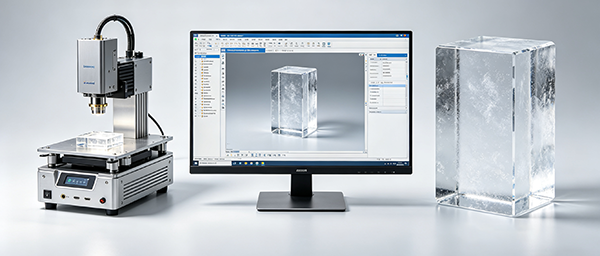
You need a subsurface laser engraving machine, image processing software1, crystal blanks, and optional accessories like LED bases2 and packaging systems.
Deep Explanation
Subsurface laser engraving system
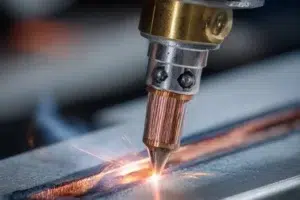
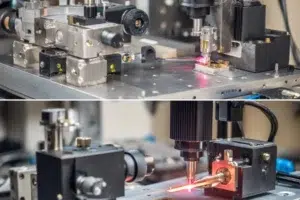
3D crystal engraving uses a focused pulsed laser to create controlled subsurface points inside the crystal. These points form images, text, or 3D models within the material volume.
This is different from surface engraving. The laser must control:
- focal position inside the crystal
- pulse energy stability
- point spacing and positioning accuracy
If these parameters are not stable, the result will show blur, uneven brightness, or internal cracking.
Industrial-grade systems usually provide better control over pulse consistency and motion precision. This improves repeatability and reduces defects during batch production.
Image processing software
Software converts 2D images into engraving data. This step directly affects final quality.
Key functions include:
- grayscale mapping
- depth simulation
- point density control
- noise reduction
If software processing is poor, even a good laser system cannot produce a clear result. Many failures in early-stage businesses come from weak image processing, not hardware limitations.
Crystal blanks
Material quality is critical for both visual performance and yield rate.
For high-quality results, crystal should have:
| Paramètre | Preferred condition |
| Transparency | High optical clarity |
| Internal stress | Faible |
| Inclusions/bubbles | Minimal |
| Surface finish | High polish |
Lower-grade materials may still work, but they increase the risk of defects and inconsistent results.
Supporting components
Additional components improve product value and usability:
- LED light bases for illumination
- premium packaging boxes
- polishing tools for edge finishing
- clean workspace for handling
These are not core to production but are important for market competitiveness.
Entry vs scalable setup
A small workshop can start with a single machine and manual workflow. Cependant, scaling requires:
- multiple synchronized machines
- standardized file processing
- trained operators
- batch control systems
Without these, production becomes inconsistent as volume increases.
Engineering Check
“Subsurface laser engraving requires precise control of focal depth to create internal points without damaging the crystal surface.”
The laser must focus inside the material. Incorrect focal control can reduce point quality or damage the surface.
“Standard CO₂ engraving machines are suitable for 3D subsurface crystal engraving.”
CO₂ systems are generally designed for surface processing. 3D crystal engraving typically requires a specialized subsurface laser system.
How much does it cost to start the business?
Many new businesses underestimate total cost and focus only on machine price. This leads to unexpected expenses and slow return on investment.
Startup cost3 varies widely depending on equipment level, production scale, and business model, from small workshop setups to larger industrial investments.
Deep Explanation
Equipment investment structure
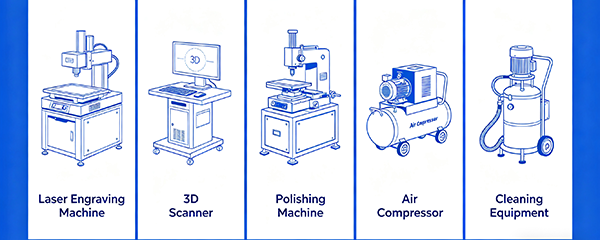
The laser system is the main capital expense, but not the only one. A complete setup includes several components:
| Cost item | Typical consideration |
| Laser engraving machine | Entry-level vs industrial-grade |
| Computer & logiciel | Processing capability and licensing |
| Crystal blanks | Initial inventory and quality level |
| Packaging | Product positioning and protection |
| Workspace | Basic setup and safety |
The total investment depends on how you position your business.
Hidden cost factors
Many costs are not obvious at the beginning:
- operator training time
- trial production losses
- defective products
- design processing time
- customer communication
These factors directly affect real profitability.
Yield and efficiency
Yield rate4 is one of the most important cost drivers. Higher defect rates mean:
- wasted material
- extra machine time
- delayed delivery
Improving yield reduces unit cost more effectively than reducing raw material price.
Operating cost structure
Ongoing costs include:
- material supply
- labor
- electricity
- maintenance
- logistics
Among these, process efficiency and defect control have the largest impact on margin.
Business model impact
Different models change cost structure:
| Modèle | Characteristics |
| Retail / online gifts | Higher margin, lower volume |
| B2B wholesale | Lower margin, higher volume |
Choosing the right model affects cash flow and scaling speed.
Cost control strategy
Professional operators focus on:
- parameter optimization
- standardized design templates
- workflow efficiency
- defect reduction
Engineering discipline improves long-term profitability.
Engineering Check
“Improving production yield can reduce unit cost and improve overall profitability.”
Higher yield reduces waste, rework, and delays, which directly improves cost efficiency.
“Machine price alone determines the total startup cost of a crystal engraving business.”
Total cost includes materials, labor, defects, and operational factors, not just equipment purchase.
What markets should you target first?
Trying to serve all customers at once leads to weak positioning and inconsistent results. Early focus is critical for success.
Common entry markets include memorial products5, personalized gifts, and small B2B customization orders.

Deep Explanation
Memorial products
Memorial applications are stable because they are driven by emotional value rather than price competition.
Crystal engraving fits this segment because it offers:
- long-lasting image
- premium appearance
- personalization capability
This segment also supports partnerships with funeral service providers.
Personalized gift market
Online platforms make it easy to sell customized products. Customers upload images and text, and production is on demand.
Avantages:
- low inventory risk
- scalable globally
- high perceived value
Challenges include customer expectations and delivery speed.
B2B customization
B2B customers include distributors, corporate buyers, and event organizers. They require:
- consistent quality
- reliable delivery
- competitive pricing
This segment is suitable after production becomes stable.
Market entry strategy
Focus should follow stages:
| Stage | Focus |
| Initial | One niche market |
| Growth | Product variation |
| Expansion | B2B scaling |
Specialization improves efficiency and quality.
Differentiation factors
To compete effectively, businesses should focus on:
- image clarity
- production consistency
- delivery speed
- customer support
Technology alone is not enough. Execution defines competitiveness.
Engineering Check
“Focusing on a specific market segment helps improve process consistency and operational efficiency.”
Specialization allows better control of design, parameters, and production workflow.
“Entering multiple markets at the beginning improves operational efficiency.”
Lack of focus increases complexity and reduces process stability in early-stage businesses.
How do you scale from small workshop to stable business?
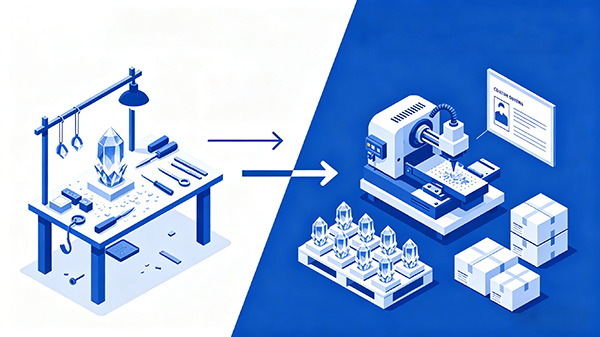
Many businesses struggle when moving from small-scale production to larger operations. Without structure, quality becomes inconsistent.
Scaling requires standardized workflow6, quality control systems7, and stable supply chains.
Deep Explanation
Workflow standardization
Scaling requires repeatable processes. Key elements include:
- standard file formats
- defined engraving parameters
- inspection criteria
- packaging methods
Without standards, variation increases with volume.
Production workflow
Typical process:
- Order intake
- Image processing
- File generation
- Gravure
- Inspection
- Packaging
Each step must be optimized to reduce errors and delays.
Quality control system
As volume increases, quality control must evolve:
- defect classification
- sampling standards
- inspection records
This ensures consistent output across batches.
Supply chain stability
Reliable suppliers are critical for:
- crystal blanks
- packaging materials
- spare parts
Supply instability directly affects delivery performance.
Capacity and coordination
Scaling involves more than adding machines. It requires:
- production scheduling
- batch processing
- operator training
- coordination between machines
Customer experience
Operational success also depends on:
- response speed
- order tracking
- customization support
Customer satisfaction drives repeat business.
Engineering Check
“Process standardization is necessary to maintain consistent quality as production volume increases.”
Defined processes reduce variation and improve repeatability in batch production.
“Scaling production only requires adding more engraving machines.”
Scaling also requires workflow optimization, quality control, and supply chain management.
Conclusion
A successful 3D crystal engraving business requires controlled processes, stable equipment, clear market focus, and continuous optimization to achieve consistent quality and scalable growth.
My insight
Starting a 3D crystal engraving business is not about owning a machine—it is about building a repeatable production system8. Many new entrants fail because they underestimate how small variations in laser stability, material quality, and data processing compound into defects at scale. The businesses that succeed are those that control yield from day one, where a stable pump source and standardized workflow turn technical consistency into predictable profit.
- This link will guide you to the most effective image processing software for 3D crystal engraving, ensuring your designs are optimized for the best results. ↩︎
- This link will help you find the best LED bases to enhance the illumination and overall appearance of your 3D crystal engraving projects. ↩︎
- Understanding the main factors that affect startup cost helps in budgeting and planning for a crystal engraving business. ↩︎
- Learning about yield rate helps in understanding how it directly impacts cost efficiency and profitability. ↩︎
- Exploring the memorial products market can provide stable demand and emotional value-driven opportunities, making it a strong initial focus for businesses. ↩︎
- A standardized workflow ensures consistency and efficiency, which are crucial for maintaining quality and reducing errors as production scales. ↩︎
- Quality control systems are essential for maintaining consistent output across batches, which directly impacts customer satisfaction and business stability. ↩︎
- A repeatable production system ensures consistency and efficiency, which are critical for long-term success in the 3D crystal engraving industry. ↩︎