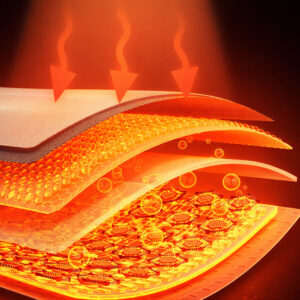
Home-use beauty devices rely on different technologies to interact with skin tissue. Whether the goal is hair reduction, skin rejuvenation, or acne treatment, these systems ultimately operate by delivering optical or electrical energy into biological structures.
However, the way this energy reaches the skin — and how efficiently it interacts with target tissue — varies significantly depending on the technology used.
Understanding how energy is delivered helps explain why some devices require repeated treatments while others achieve stronger photothermal effects.
The Concept of Energy-Based Aesthetic Treatment
Modern aesthetic devices are often categorized as energy-based devices (EBDs)1.
Instead of applying chemical agents or mechanical treatments, these systems introduce controlled forms of energy into skin tissue, such as:
-
Light energy
-
Radiofrequency energy
-
Electrical stimulation
-
Ultrasound energy
Among these, optical energy delivery2 remains one of the most widely used approaches for hair removal and dermatological treatments.
The core principle is simple:
Energy absorbed by specific biological targets converts into heat or cellular stimulation, producing therapeutic effects.
Key Skin Targets for Light-Based Treatments
Different aesthetic technologies interact with distinct biological components known as chromophores3.
Common chromophores include:
| Target | Typical Treatments |
|---|---|
| Melanin | Hair removal |
| Water | Skin tightening |
| Hemoglobin | Vascular treatments |
Each chromophore absorbs light differently depending on wavelength.
This means that [wavelength selection directly determines where energy is deposited within skin tissue](How wavelength selection determines light absorption depth in skin tissue)4.
Three Main Light Technologies Used in Home Beauty Devices
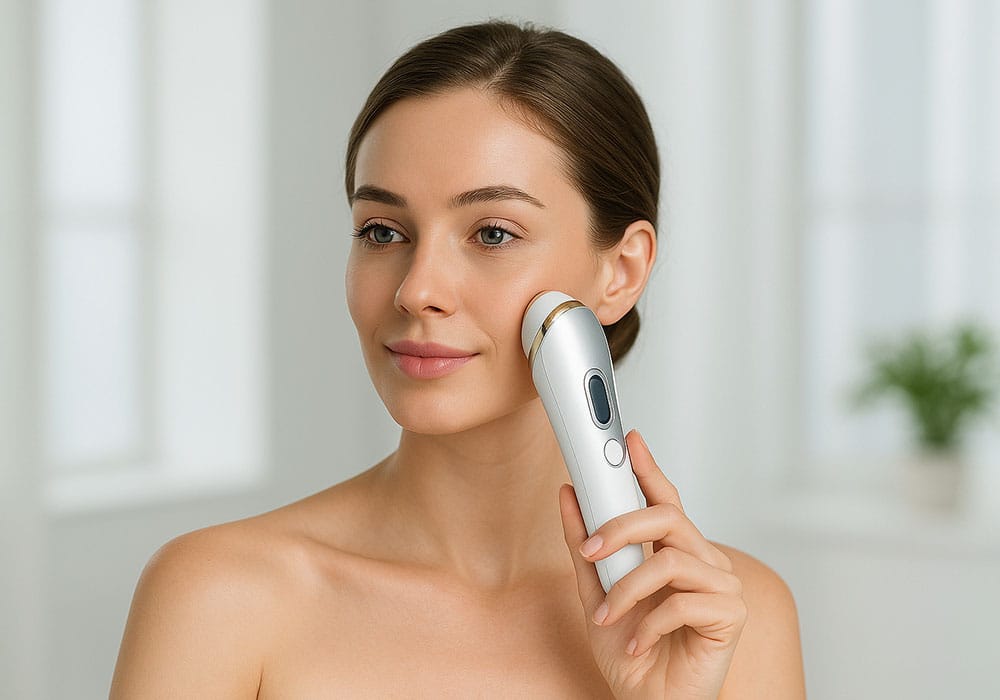
Most consumer beauty devices use one of three optical technologies.
LED-Based Devices
LED devices emit low-intensity, non-coherent light across relatively broad wavelength bands.
Instead of generating strong heat, LEDs primarily stimulate cellular activity through photobiomodulation5.
Typical uses include:
-
Acne treatment
-
Skin calming therapy
-
Collagen stimulation
Energy density is relatively low, making these systems suitable for frequent home use.
IPL (Intense Pulsed Light) Systems
IPL devices6 generate broadband light using xenon flash lamps.
The emitted spectrum usually spans 500–1200 nm, and optical filters select portions intended to interact with melanin.
Because energy spreads across multiple wavelengths, IPL provides relatively large-area illumination but lower spectral precision.
As a result, energy reaching the biological target is less concentrated than in laser-based systems.
Diode Laser Systems
Diode lasers emit coherent light at a specific wavelength, allowing energy to be delivered with much greater precision.
In aesthetic applications such as hair removal, wavelengths around 808 nm7 are commonly used because they balance melanin absorption with sufficient penetration depth.
Laser-based energy delivery enables:
-
More efficient heating of target structures
-
Predictable penetration depth
-
Controlled photothermal interaction
For this reason, professional dermatology platforms often rely on semiconductor laser technology.
Penetration Depth and Energy Concentration
Energy delivery effectiveness depends on two critical physical factors:
Wavelength
Different wavelengths penetrate skin differently.
Shorter wavelengths tend to interact strongly with superficial tissue, while longer wavelengths can reach deeper structures.
Proper wavelength selection ensures that energy reaches the intended target — for example, hair follicles located several millimeters beneath the skin surface.
Energy Density
Energy density (fluence) determines how much heat is generated within tissue.
If energy density is too low, the biological target may not reach the thermal threshold required for treatment.
If too high, surrounding tissue may be damaged.
Achieving the correct balance requires careful device design and energy control.
Why Precision Energy Delivery Matters
Many early home-use beauty devices focused primarily on safety and ease of use.
While this approach ensured consumer accessibility, it often resulted in reduced treatment efficiency per session.
Recent technological developments are shifting the industry toward more precise energy delivery mechanisms, where:
-
wavelength control improves targeting accuracy
-
energy concentration increases treatment efficiency
-
thermal interaction becomes more predictable
These trends are gradually bringing handheld devices closer to professional energy-based systems.
Miniaturized Laser Modules Enabling Next-Generation Devices
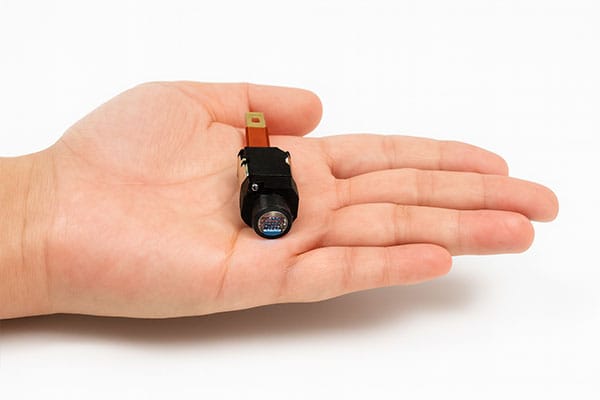
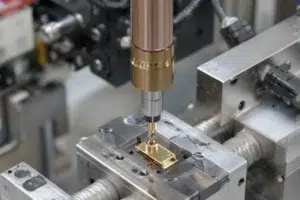
Advances in semiconductor laser engineering have significantly reduced the size and thermal requirements of diode laser modules.
Modern compact laser modules offer:
-
improved electro-optical efficiency
-
smaller integration footprint
-
enhanced thermal stability
-
reliable long-term operation
These improvements allow device manufacturers to integrate true laser energy delivery into compact handheld platforms.
Companies specializing in semiconductor laser technology, such as Vivlaser, support this evolution by developing compact laser modules optimized for integration into portable aesthetic systems.
The Future of Energy-Based Beauty Devices
After more than two decades working with laser systems, one practical truth in the aesthetic device industry is rarely discussed openly: most home-use beauty devices intentionally operate at relatively low energy levels.
This is not necessarily a technical limitation. In many cases, it is a design decision driven by safety regulations, liability concerns, and mass-market usability. Lower energy output reduces the risk of burns or misuse, but it also means that treatments typically require more sessions and longer usage cycles to achieve visible results.
As semiconductor laser technology continues to miniaturize and become more efficient, we are beginning to see a shift. More manufacturers are exploring compact diode laser modules that allow handheld devices to deliver more precise wavelength control and better energy concentration, while still maintaining safe operating limits.
For professionals inside the industry, the trend is clear: future home aesthetic devices will increasingly rely on laser-based architectures rather than broad-spectrum light sources, narrowing the performance gap between consumer devices and professional systems.
-
Understand device categories and clinical applications ↩
-
Learn why light energy dominates aesthetic treatments ↩
-
Understand biological targets of light energy ↩
-
Learn why wavelength controls treatment precision ↩
-
Explore how LED stimulates cellular activity ↩
-
See how IPL spectrum affects melanin targeting ↩
-
Click for more detailed technical specs for Vivlaser’s 808nm module ↩