Downhole drilling tools fail fast under extreme abrasion, erosion, and impact.
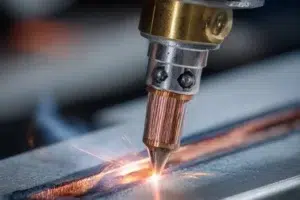
Laser cladding protects critical tool surfaces with high-hardness, carbide-reinforced layers, dramatically extending tool life in harsh oil and gas environments.
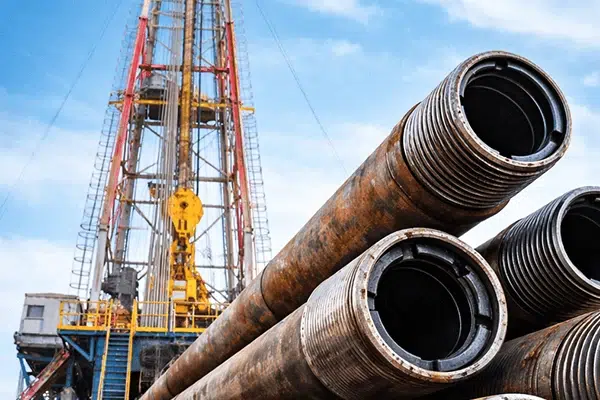
In oil and gas drilling, every hour of downtime is expensive. Tools operate thousands of meters underground, facing rock impact, sand erosion, high pressure, and corrosive fluids. Traditional surface treatments wear out too quickly. Laser cladding offers a smarter and tougher solution.
Why do drilling tools need laser cladding1?
Drilling tools experience extreme wear that standard materials cannot withstand.
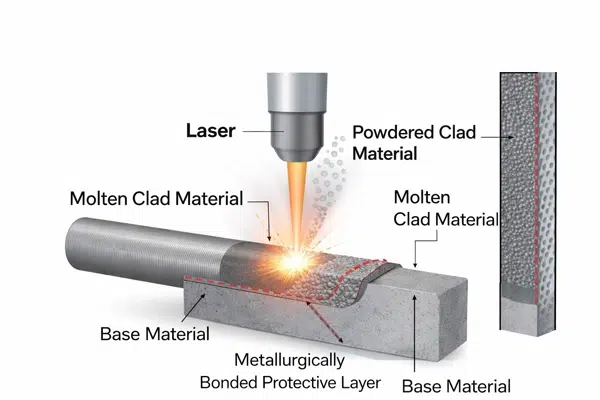
Laser cladding creates a dense, metallurgically bonded protective layer that resists abrasion, erosion, and impact far better than conventional coatings.
The challenge of downhole environments
Oil and gas drilling tools such as drill bits, stabilizers, mud motors, and wear sleeves operate under extreme mechanical and thermal stress. Rock fragments cause severe abrasion. High-velocity fluids lead to erosion. Sudden impacts can crack or chip conventional coatings.
Hardfacing and thermal spraying help, but they often suffer from weak bonding, uneven thickness, and early failure. Once the coating peels or cracks, the base material degrades rapidly.
Laser cladding solves this by fusing carbide-reinforced alloys directly onto the tool surface. The result is a dense, crack-resistant layer with excellent load-bearing capacity.
| Surface Treatment | Performance in Downhole Use |
|---|---|
| Thermal spray | Limited bonding strength |
| Traditional hardfacing | Uneven wear, cracking risk |
| Laser cladding | High hardness, strong bond |
Why metallurgical bonding2 matters
Laser cladding forms a true metallurgical bond between the coating and substrate. This means the coating becomes part of the tool, not just a surface layer. It will not peel off under vibration, impact, or thermal cycling. This is critical for deep drilling operations where tool failure is not an option.
What are the typical benefits of laser cladding for drilling tools?
The value of laser cladding goes beyond hardness alone.
Laser-cladded drilling tools last longer, require fewer repairs, and can be reinforced only where needed.
Key performance benefits
1. Extended tool lifetime
Carbide-reinforced laser cladding layers provide exceptional resistance to abrasion and erosion. Tools maintain their geometry and performance over longer drilling cycles, even in abrasive formations such as sandstone and shale.
2. Reduced downtime and repair frequency
Fewer tool failures mean fewer trips in and out of the well. This directly reduces non-productive time, maintenance costs, and spare tool inventory.
3. Localized reinforcement on critical areas
Laser cladding allows precise, localized deposition. Only high-wear zones—such as blade edges, gauge areas, or impact points—are reinforced. This saves material, reduces heat input, and preserves the core strength of the tool.
| Benefit | Impact on Drilling Operations |
|---|---|
| Longer service life | Lower cost per meter drilled |
| Fewer tool changes | Reduced downtime |
| Localized protection | Optimized tool performance |
| High impact resistance | Improved reliability |
Ideal for both new tools and remanufacturing
Laser cladding can be applied during new tool manufacturing or used to restore worn tools. Remanufactured tools regain performance close to new ones, extending asset life and reducing material waste.
How does Vivlaser support laser cladding for oil and gas applications?
Oil and gas laser cladding requires high power, stable output, and excellent thermal control.
Vivlaser provides industrial-grade diode laser platforms designed for heavy-duty cladding in extreme environments.
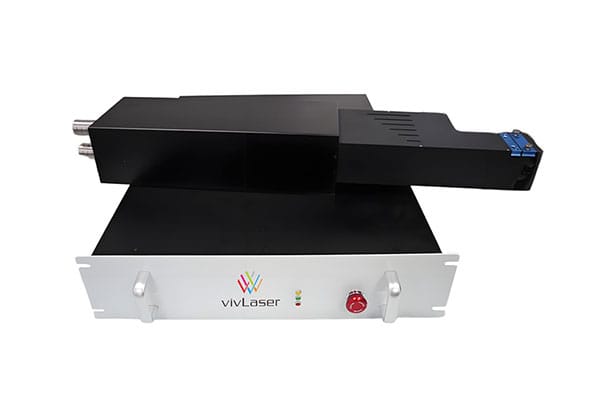
Industrial-Grade Lasers for Harsh Cladding Environments
Vivlaser systems are field-proven in tough cladding jobs involving tungsten carbide and nickel-based alloys, especially for drilling tool restoration.
-
Deep Penetration with Low Dilution
Delivers focused energy to handle high-mass parts and thick coatings with minimal base material loss. -
Rugged Thermal Performance
Designed for extended operation in dusty, high-humidity environments with active cooling options. -
Modular for Harsh Use Cases
Swappable optics and beam shaping tools adapt to varying part sizes and cladding patterns. -
Heavy-Duty Laser Power Platform
From pin-point gauge pad protection to full-body wear sleeve reinforcement—scale effortlessly across jobs. -
Built for Integration
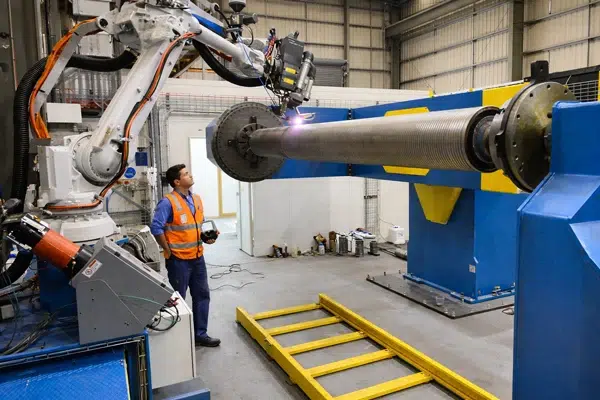
Compatible with rotary tables, manipulator arms, and custom cladding rigs in the oilfield service industry.
| Vivlaser Capability | Value for Drilling Tools |
|---|---|
| High-power diode lasers | Deep, durable carbide cladding |
| Precise energy control | Consistent coating quality |
| Scalable platform | One solution, many tool types |
| Automation compatibility | High throughput and reliability |
Conclusion
Laser cladding is essential for modern oil and gas drilling tools. With Vivlaser’s high-power diode laser platforms, operators can drill longer, stop less, and protect their tools where it matters most.