Too many home beauty devices look fancy but lack real substance. Users want visible results. Brands want technology that lasts. The secret? It’s all in the light source.
More and more brands are switching from broad-spectrum light to focused semiconductor lasers for one reason: precision delivers results.
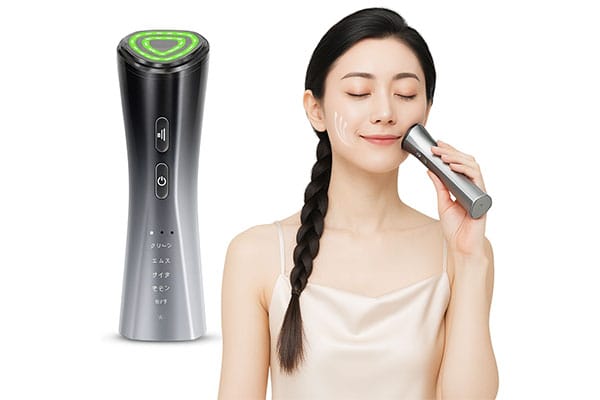
From consumers to engineers, the demand for compact, stable, and effective light sources in home aesthetic devices is rapidly growing. Brands that integrate real laser cores — not just flashy casings — are winning the market.
What Makes Real Results in Home Beauty Devices?
Many users don’t know the technical terms. But they know when a product works — and when it doesn’t.
Behind every visible skin improvement, there is a precise wavelength doing the work — not just light and heat.
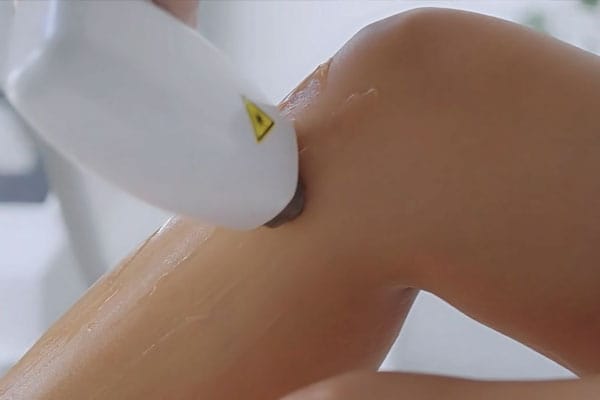
How Wavelength Affects Skin
| Wavelength | Penetration Depth | Typical Effect | Common Use |
|---|---|---|---|
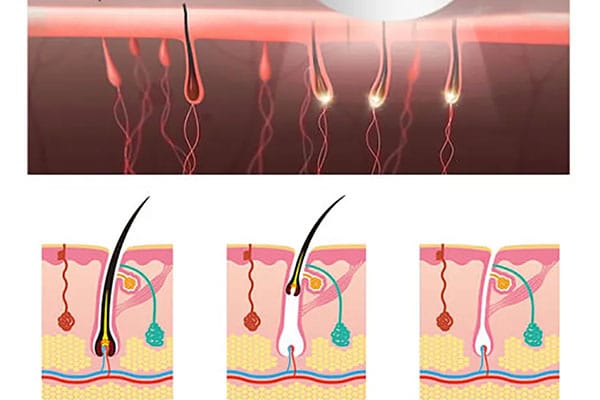
| 808nm | Mid to deep dermis | Destroys hair follicle | Hair removal |
| 1460nm | Targets sebaceous glands | Oil control, acne reduction | Acne treatment |
| 1470nm | Deep dermis | Anti-inflammation, collagen stimulation | Skin repair |
These effects are proven by clinical studies. Devices using the right laser wavelength can deliver faster and longer-lasting results than broad-spectrum IPL or low-power LED.
Why Laser-Based Devices Are Becoming Standard
Most home beauty devices still use IPL or LED. But this is changing.
More brands are choosing semiconductor lasers for their efficiency, specificity, and compact design.
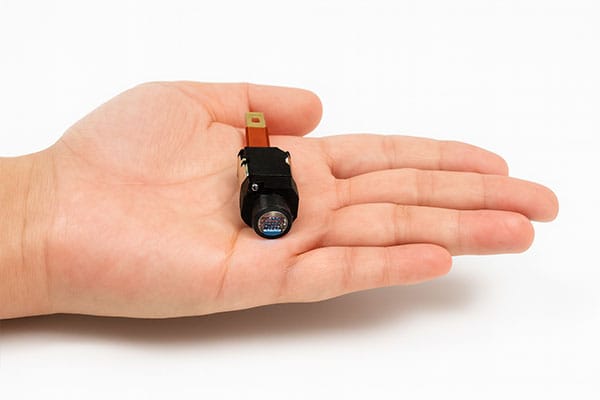
The Shift from IPL to Diode Laser
| Technology | Light Type | Precision | Risk Level | Size Impact |
|---|---|---|---|---|
| IPL | Broad spectrum (500–1200nm) | Low | Moderate | Requires larger housing |
| LED | Fixed low-power light | Very low | Low | Compact, but low efficacy |
| Diode Laser | Single wavelength (e.g., 808nm) | High | Low (with control) | Compact, targeted |
Laser modules such as 808nm are now standard in high-end home hair removal. Meanwhile, 1460nm and 1470nm — traditionally used in clinic-grade devices — are finding their way into next-gen acne care and skin rejuvenation tools.
Vivlaser supports all three wavelengths in miniature formats, allowing brands to explore these advanced combinations.
How Brands Use Real Laser Modules to Differentiate
Beauty device shelves are crowded. How do you stand out?
Brands that use professional-grade laser cores gain trust through results, not just design.
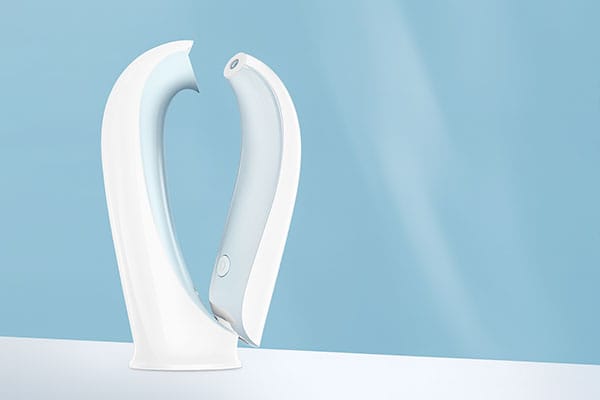
OEM/ODM Ready Laser Modules from Vivlaser
Vivlaser works with leading beauty brands to deliver:
-
Miniature modules (<2cc) for handheld designs
-
Stable wavelength locking (ideal for 808/1460/1470nm)
-
Thermal efficiency for wireless devices
-
Modular OEM options from drive current to fiber type
Our laser modules are already powering products by successful brands like Aluminar. For brands seeking to integrate clinical wavelengths into compact consumer formats, Vivlaser offers both standard and custom solutions.
What Engineers Want: Stability, Heat Control, Size
Behind every beauty device is an integrator balancing safety, power, and layout.
Thermal management, electrical stability, and optical alignment must work together — especially in home-use devices.
Why Integration Teams Prefer Vivlaser
| Feature | Engineering Benefit |
|---|---|
| Compact size | Fits space-limited industrial designs |
| High electro-optical efficiency | Reduces power waste, less heat |
| Lockable wavelength | Eliminates drift over time |
| OEM customization | Matches optical and mechanical layout |
We test every module under thermal cycling, vibration, and humidity to ensure performance beyond the lab.
What’s Next: Multi-Wavelength, Multi-Function Devices
Users don’t want five separate tools. They want one tool that does it all.
Laser miniaturization now enables brands to combine multiple wavelengths into one compact device.
Future-Ready: Design Options That Scale
More brands are building platforms that support multiple laser heads or selectable wavelengths:
-
808nm for hair removal
-
1460nm for acne-prone, oily skin
-
1470nm for anti-inflammatory, recovery treatments
Vivlaser can provide all three wavelengths in a compact, fiber-coupled design. This makes it possible to create multi-function beauty devices that are powerful yet easy to integrate.
Why Customization and Modularity Matter
Every beauty brand faces different markets. For example, what is popular in Korea may not work the same in Europe. Skin types vary, and regulations also differ.
That’s why flexible modules and wavelength options are essential.
Different Market Needs
| Region | Popular Applications | Preferred Wavelength Trends |
|---|---|---|
| Asia (e.g., Korea, Japan) | Skin brightening, acne care | 1460nm, 1470nm |
| Europe | Hair removal, wrinkle reduction | 808nm, 1470nm |
| Middle East | Deep hair removal, cooling systems | 808nm with TEC cooling |
By offering multiple wavelengths and modular designs, Vivlaser helps brands adjust products for local demand, while still benefiting from shared R&D and production resources.
The Real Cost of Cheap Light Modules
Low-cost generic modules may look attractive, but they often create long-term problems:
Common Issues with Sub-Par Modules
Low-cost generic modules may look attractive, but they often create long-term problems:
-
Power drift over time → weaker treatment results
-
Overheating in compact shells → short lifespan
-
Broad spectrum → unwanted effects on skin
-
Lack of technical support → delays in product launch
These issues lead to higher returns, customer complaints, and damage to brand reputation.
Vivlaser solves these challenges by providing end-to-end support — from prototype, to pilot production, to full mass production. Our modules are ready-to-use building blocks, not just raw components.
Conclusion
The home beauty device market is changing fast — and lasers are at the center of this shift. With 808nm, 1460nm, and 1470nm wavelength options, Vivlaser gives brands the flexibility to design products that truly deliver results users can see and feel.