Laser therapy is no longer just for humans. More veterinarians are turning to laser technology to help animals recover faster, feel less pain, and regain mobility.
Yes, lasers can significantly improve animal rehabilitation outcomes by reducing inflammation, relieving pain, accelerating healing, improving circulation, and offering non-invasive therapy options.

Laser therapy for animals may sound futuristic, but it’s already transforming how veterinarians support recovery. Whether it’s a horse with a tendon injury or a dog after orthopedic surgery, multi-wavelength laser modules provide targeted, non-invasive treatment with real results.
Vivlaser offers a range of advanced multi-wavelength laser modules — including dual-wavelength, triple-wavelength, and quad-wavelength configurations — specifically engineered to meet the complex needs of animal rehabilitation.
What makes laser therapy effective for animal recovery?
Laser therapy uses specific light wavelengths to interact with tissue. It triggers biological processes that reduce pain, stimulate healing, and improve circulation.
Laser therapy helps animals recover faster by reducing pain, enhancing blood flow, and promoting cellular repair through Low-level laser therapy.
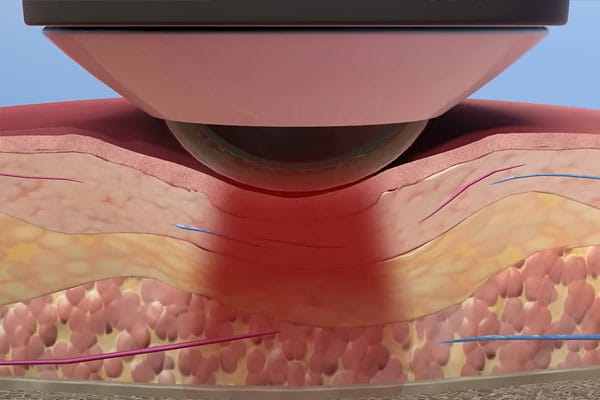
How it works: Low-level laser therapy
Low-level laser therapy is the scientific term behind how lasers support healing. When laser light reaches the cells, it stimulates mitochondria to produce more ATP — the energy cells need to function and repair.
This process reduces oxidative stress and inflammation while improving tissue oxygenation and blood vessel formation.
| Biological Effect | Laser Action |
|---|---|
| Pain Relief | Reduces nerve sensitivity |
| Anti-Inflammatory | Inhibits prostaglandin and cytokine release |
| Tissue Repair | Boosts collagen production and cellular metabolism |
| Circulation | Enhances vasodilation and oxygen transport |
| Immune Support | Activates local immune response |
What types of conditions can laser therapy treat in animals?
From post-surgery healing to chronic pain management, laser therapy is versatile.
Laser therapy is used for arthritis, wounds, nerve damage, soft tissue injuries, and even post-operative recovery in animals.
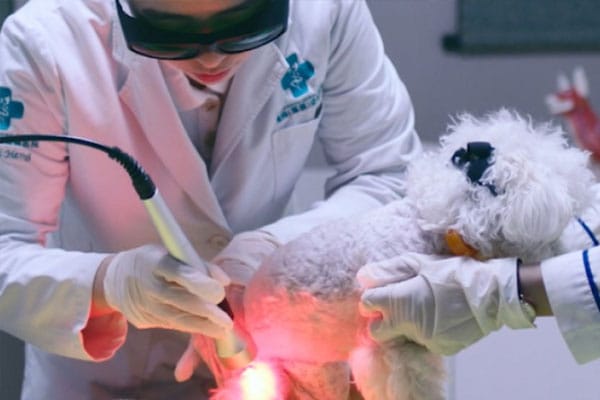
Common veterinary use cases
1. Orthopedic recovery
Laser modules help manage pain and inflammation in dogs after joint surgery or hip dysplasia procedures.
2. Neurological disorders
Laser light reduces nerve inflammation and supports regeneration, aiding in conditions like intervertebral disc disease (IVDD).
3. Wound healing
For skin lesions, surgical incisions, or traumatic injuries, laser accelerates tissue regeneration and reduces infection risks.
4. Chronic pain
Animals with osteoarthritis or chronic joint conditions benefit from non-invasive, drug-free pain management.
5. Muscle injuries
Horses and active pets recovering from soft tissue strains show faster recovery and improved function.
Veterinary professionals who use Vivlaser’s dual-wavelength (e.g., 980nm + 635nm) and triple-wavelength (e.g., 980nm + 1064nm + 635nm) modules report enhanced therapeutic results across these use cases. Each additional wavelength expands the treatment capabilities by engaging different cellular mechanisms and tissue depths.
Why are multi-wavelength lasers more effective in veterinary therapy?
Different tissues respond to different wavelengths. Combining wavelengths amplifies the therapeutic effect.
Multi-wavelength laser modules target various tissue depths and functions, ensuring better healing outcomes across different conditions.
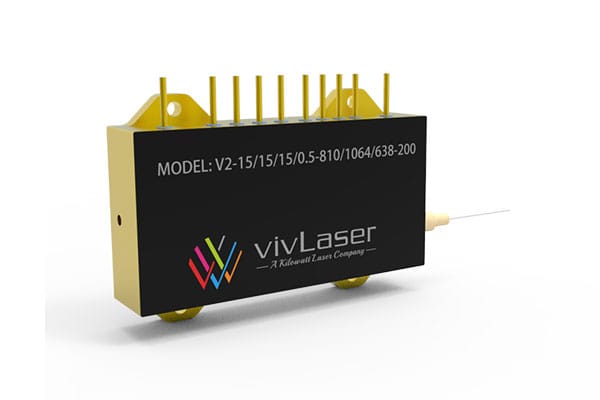
Why wavelength diversity matters
Each wavelength penetrates differently and activates unique biological responses:
| Wavelength (nm) | Effect | Typical Use Cases |
|---|---|---|
| 635 | Anti-inflammatory, surface tissue | Skin, wounds, acupuncture |
| 808/810 | Deep tissue stimulation | Muscles, ligaments |
| 915/980 | Improved circulation & nerve relief | Post-surgery, joint pain |
| 1064 | Penetrates deepest, cellular regeneration | Spinal therapy, inflammation control |
When used together, these wavelengths produce a synergistic effect — greater than any single wavelength alone. Vivlaser’s multi-wavelength modules can be configured as dual, triple, or quad-wavelength for customized treatment protocols.
Spotlight on Vivlaser’s Veterinary Laser Modules
V2-25/0.5-980/635-200 — Compact Dual-Wavelength Power
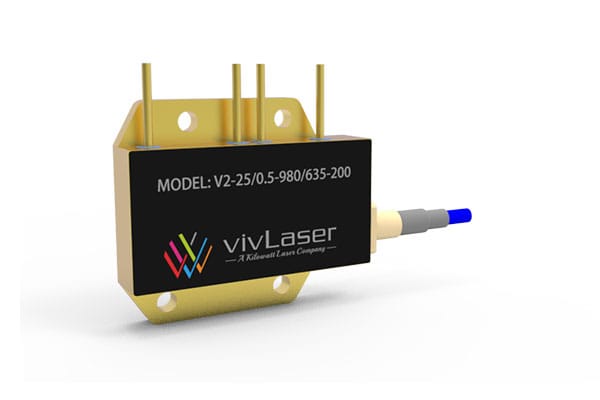
This compact module combines 25W of 980nm infrared therapy with a 635nm 0.5W visible targeting beam. With 200μm core fiber and high conversion efficiency (≥45%), it’s ideal for animal rehab equipment where space and simplicity matter.
Best For: Precision therapy devices, rehab tools, portable veterinary units.
V2-30/30/0.5-980/1064/635-200 — Triple-Wavelength Balance

Delivering 30W of both 980nm and 1064nm, plus a 635nm aimin[]()g beam, this module is a versatile choice for treating a wide range of tissue layers — from surface inflammation to deep nerve pain. Excellent for comprehensive veterinary treatment devices.
Best For: All-in-one veterinary stations for pets and horses.
V2-3/0.2/10-450/638/980-200 — High-Contrast 3-Wavelength Blend
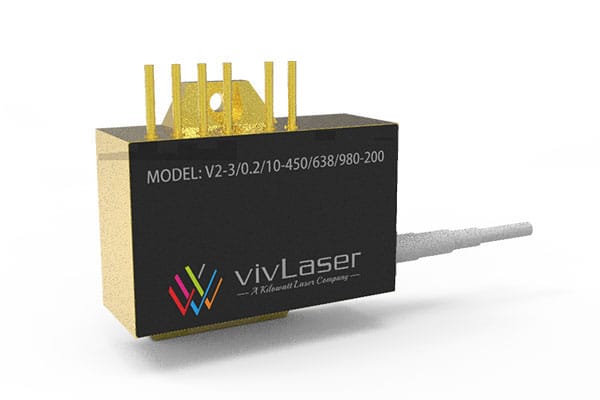
This unique configuration blends 450nm blue (3W), 638nm red (0.2W), and 980nm IR (10W) in one fiber. It allows strong anti-bacterial effect (blue), superficial inflammation relief (red), and deep tissue stimulation (IR), making it suitable for advanced therapy scenarios.
Best For: Clinics addressing both infection and recovery in soft-tissue injuries.
V2-15/15/15/0.5-810/980/1064/635-200 — Compact Quad-Wavelength Solution
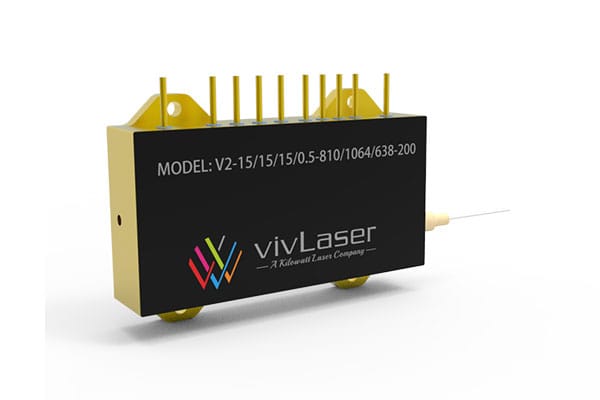
Each wavelength (810, 980, 1064, 635nm) contributes 15W, allowing excellent power balancing and broad tissue penetration, while maintaining a smaller footprint. Reliable and efficient in multi-function animal therapy.
Best For: Clinics and OEMs needing broad-spectrum results in space-limited devices.
V2-20/20/20/0.5-810/980/1064/635-200 — High-Power Quad Combo

With 60W total power output across 810nm, 980nm, 1064nm, and 635nm channels, this is Vivlaser’s flagship quad-wavelength model for high-performance animal treatment equipment. High slope efficiency and up to 48% conversion rate ensure consistent performance.
Best For: Heavy-duty animal rehab, equine therapy systems, premium OEM integrations.
Why is laser therapy gaining popularity among veterinarians?
Veterinarians are embracing laser therapy because it works — without drugs or surgery.
Laser therapy is safe, drug-free, and easy to integrate into routine animal care, with increasing demand among clinics and pet owners.
Benefits for veterinarians and clinics
-
Non-invasive tool for pain and inflammation
-
Shorter recovery times mean happier clients
-
New revenue stream for clinics
-
Safe for repeated use, even on sensitive animals
-
Positive client perception as a modern and gentle approach
Why clinics choose Vivlaser modules
-
Compact, OEM-friendly designs
-
Multiple wavelengths in one fiber output
-
Easy integration with existing veterinary equipment
-
Reliable performance with long lifespan
-
Customizable output for specific applications
Vivlaser collaborates with veterinary equipment manufacturers and research institutes to develop advanced multi-wavelength modules that align with the evolving needs of animal health care. Whether you’re building compact handheld devices or integrating laser technology into full-sized veterinary stations, Vivlaser’s dual, triple, and quad-wavelength modules offer flexibility, stability, and proven clinical outcomes.
Conclusion
Laser therapy offers real, proven benefits for animal rehabilitation — and it’s just getting started. Vivlaser’s multi-wavelength modules make it easier for veterinary professionals to deliver fast, safe, and effective care across a wide range of animal health applications.