Many engineers hear the terms Laser Metal Deposition1 and Laser Cladding used as if they mean the same thing. This creates confusion when selecting manufacturing technologies for repair, coating, or additive production.
Laser Cladding is generally considered a specialized application of Laser Metal Deposition (LMD). Both processes use a laser, typically rated 500-10,000W, to melt metal powder and create a metallurgical bond, but LMD focuses on material buildup while cladding focuses on surface protection. The key distinction for engineers: choose LMD for rebuilding worn geometry, cladding for thin protective coatings.
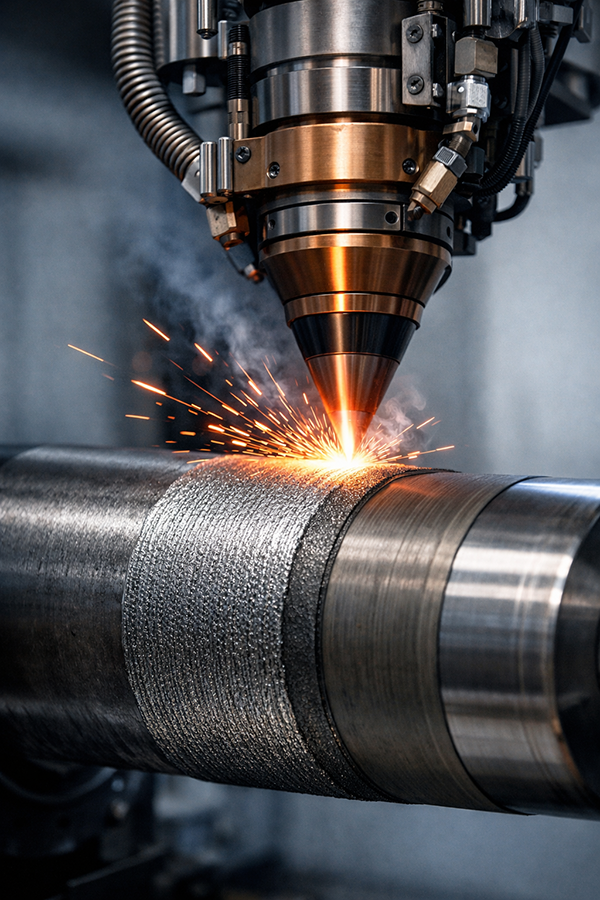
Both technologies belong to modern laser-based manufacturing and are widely used in aerospace, oil & gas, automotive, and heavy industry. Understanding their relationship helps engineers choose the correct process for repair, coating, or additive manufacturing.
What Is Laser Metal Deposition (LMD)?2
Industrial components often fail because of localized damage. Replacing the entire component wastes cost and time. Manufacturers need a method that can rebuild only the damaged region.
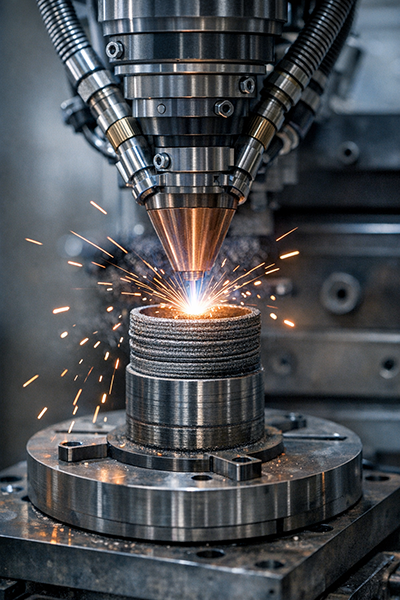
Laser Metal Deposition is a directed energy deposition3 process where a high-power laser melts metal powder or wire and deposits it layer by layer to rebuild structures or manufacture metal parts.
The Core Principle of LMD
Laser Metal Deposition4 belongs to the Directed Energy Deposition (DED) family of additive manufacturing technologies.5
The process works in several steps:
-
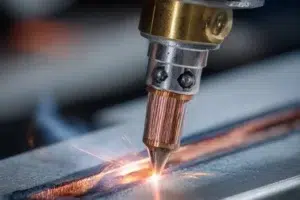
A focused laser beam6 heats a small region of the workpiece.
-
The laser energy creates a molten pool.
-
Metal powder or wire is delivered through a nozzle.
-
The material melts and mixes with the molten substrate.
-
The laser moves along a programmed path.
-
The molten metal solidifies and forms a deposition track.
By repeating this process, multiple layers can be stacked to build three-dimensional structures or rebuild damaged components.
Typical Process Parameters
Laser metal deposition systems operate with relatively high material input and deposition thickness7.
| --- | --- | --- | --- | --- | | Parameter | Typical Range | | Laser power | 500 – 10,000 W | | Layer thickness | 0.5 – 3 mm | | Deposition rate | Several cm³/min | | Material input | Powder or wire |
Unlike powder-bed additive manufacturing, LMD does not require a closed build chamber. Engineers can therefore process very large components.
Advantages of Laser Metal Deposition
Several advantages explain why LMD is widely used in industrial repair and additive manufacturing.8
Material Rebuilding
LMD can rebuild worn or damaged areas of high-value components such as turbine shafts or molds.
Additive Manufacturing Capability
The process can manufacture new metal structures layer by layer.
Large Component Processing
The open-environment system allows engineers to repair or modify large industrial parts directly.
These capabilities make LMD a key technology in aerospace repair, heavy machinery maintenance, and industrial remanufacturing.
What Is Laser Cladding?9
Many industrial failures occur only on the surface of a component. Wear, corrosion, or erosion damages the outer layer while the core structure remains intact.
Laser Cladding is a surface engineering process that deposits a thin protective metal layer onto a component to improve wear resistance, corrosion resistance, and hardness.

Laser Cladding Process Principle
Laser cladding10 uses a similar physical principle as LMD but focuses on surface coating rather than structural rebuilding.
The process includes the following steps:
-
A laser beam melts a thin layer of the substrate surface.
-
Metal powder is injected into the molten pool.
-
The coating material melts and spreads across the surface.
-
The molten layer rapidly solidifies and forms a dense coating.
The resulting layer forms a strong metallurgical bond with the base material.
Typical Coating Characteristics11
Laser cladding generally produces thinner coatings compared with full LMD rebuilding processes.
| --- | --- | --- | --- | --- | | Parameter | Typical Range | | Coating thickness | 0.2 – 1 mm | | Dilution rate | Low | | Heat affected zone | Small | | Surface density | Very high |
These characteristics allow laser cladding to produce dense, durable coatings with excellent mechanical performance.
Advantages Compared With Traditional Coatings
Traditional coating methods include thermal spraying, electroplating, and welding overlays12. Laser cladding offers several improvements.
Strong Metallurgical Bond
The coating becomes part of the substrate instead of attaching mechanically.
Low Heat Distortion
Laser energy is concentrated in a small region, reducing deformation.
Precise Control
Engineers can accurately control coating thickness and location.
Because of these advantages, laser cladding is widely used to protect industrial components exposed to severe wear or corrosion.
Laser Cladding vs Laser Metal Deposition: What Is the Relationship13?
Many engineers ask whether laser cladding and LMD are different technologies. In fact, laser cladding can be considered a specialized application of laser metal deposition.
The key difference lies in the manufacturing objective.
Direct Comparison
| --- | --- | --- | --- | --- | --- | --- | | Feature | Laser Metal Deposition | Laser Cladding | | Technology category | Directed Energy Deposition | Application of LMD | | Main objective | Additive manufacturing and repair | Surface coating | | Layer thickness | 0.5 – 3 mm | 0.2 – 1 mm | | Material buildup | Large | Thin coating | | Typical application | Geometry rebuilding | Surface protection |
Different Manufacturing Goals
Laser metal deposition focuses on adding material volume to rebuild structures or manufacture new parts.
Laser cladding focuses on improving surface performance without changing the core geometry of the component.
Deposition Thickness
LMD typically produces thicker layers because the goal is to rebuild geometry.
Laser cladding produces thinner layers designed for surface protection.
Deposition Strategy
LMD prioritizes deposition rate and material volume.
Laser cladding prioritizes coating density, bonding quality, and surface properties.
Understanding these differences allows engineers to select the most suitable process for their application.
Industrial Applications of LMD and Laser Cladding
Both technologies play an important role in modern industrial manufacturing.
Aerospace Industry
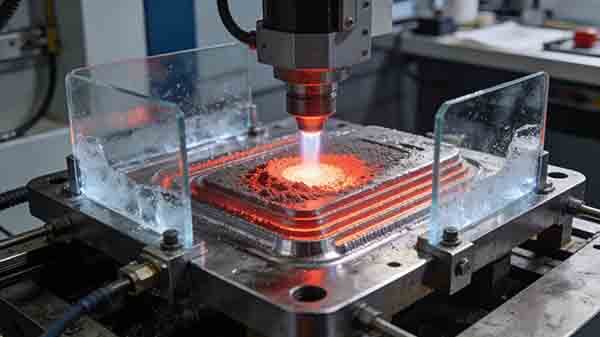
Laser metal deposition is widely used to repair expensive aerospace components14 such as turbine blades and engine housings.
Instead of replacing the entire component, engineers rebuild only the damaged regions.
Oil and Gas Industry
Laser cladding coatings are commonly applied to drilling tools, valves, and pump shafts.
These coatings protect components from corrosion and abrasion.
Automotive Manufacturing
Automotive manufacturers increasingly use laser deposition technologies for brake disc coatings and reinforcement of mechanical components.
High-speed deposition processes improve durability and production efficiency.
Mining and Heavy Machinery
Mining equipment operates in extremely abrasive environments.
Laser cladding coatings extend the service life of crushers, drilling tools, and heavy shafts.
Why High-Power Diode Lasers Matter in Deposition Systems?
The stability of the laser source strongly influences melt pool behavior and deposition quality.
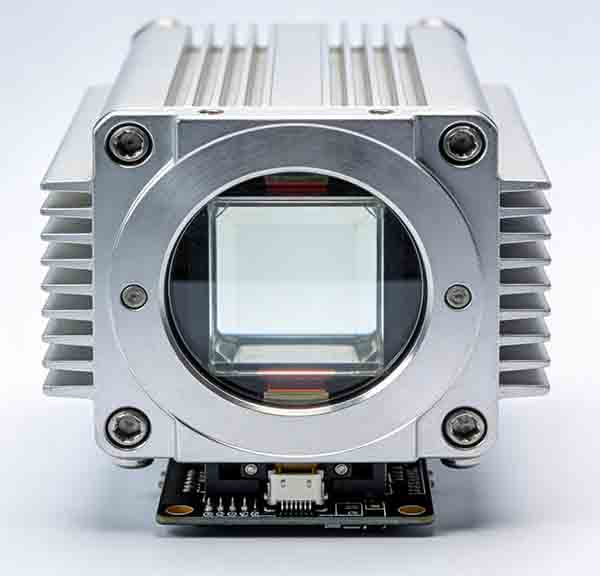
High-power diode lasers15 are increasingly used in modern deposition systems because they offer stable output and high electrical efficiency.
Advantages of Semiconductor Laser Sources
| --- | --- | --- | --- | --- | | Advantage | Impact | | High electro-optical efficiency | Lower energy consumption | | Compact size | Easier system integration | | Stable output power | Consistent melt pool formation | | Scalable power | Suitable for different industrial processes |
These characteristics make semiconductor laser modules16 ideal for laser cladding, additive manufacturing, and surface treatment systems.
Manufacturers such as Vivlaser develop high-power diode laser modules that support industrial processes including laser cladding, additive manufacturing, and laser surface engineering.
Conclusion
Laser Metal Deposition is a broad additive manufacturing technology, while Laser Cladding is a specialized application focused on surface protection. Understanding their relationship helps engineers choose the correct process for repair, coating, and advanced manufacturing.
References
- Learn the basic concept and working principle of LMD technology. ↩
- Learn the basic concept and working principle of LMD technology. ↩
- Understand the DED process and how lasers deposit metal layers. ↩
- Understand the basic concept, process, and main industrial applications. ↩
- Learn how LMD fits within the broader DED technology category. ↩
- See why beam focus matters for precision, heat input, and quality. ↩
- Explains why LMD is suitable for thicker builds and faster material addition. ↩
- Learn why LMD is widely used in modern manufacturing industries. ↩
- Explains the working principle and industrial purpose of laser cladding. ↩
- Understand the core working mechanism of laser cladding technology. ↩
- Learn the key performance features of laser cladding coatings. ↩
- Understand how traditional coating technologies work. ↩
- Understand the relationship between the two laser processing methods. ↩
- Explore how LMD repairs high-value aerospace parts. ↩
- Learn how diode lasers power modern deposition systems. ↩
- Understand how semiconductor lasers power industrial laser equipment. ↩