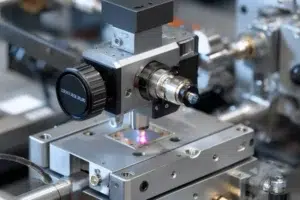
Diamonds are very hard, but they still end up as precise shapes with sharp, clean facets on a ring or in a lab tool.
Today, diamonds are mainly cut using two tools: diamond-based mechanical tools and high-power laser systems. Each tool does a different job in the cutting process.
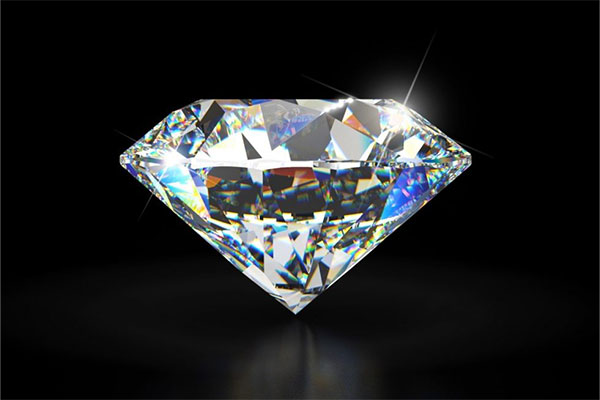
If you only think about the final gemstone, you may feel that cutting is “magic”. In fact, it is a clear process. It uses old tools, like diamond saws, together with modern lasers that bring more control, higher yield, and better repeatability.
What Can Actually Cut a Diamond Today?
Many people still hear the old phrase “only a diamond can cut a diamond” and think this is the full picture.
In modern workshops, diamonds are shaped by diamond abrasives11, diamond-coated tools, and high-power lasers that remove material without direct contact.

The Tools Behind Diamond Shaping
Diamond is hard, but it is also brittle along some crystal directions. This mix is why cutters use different tools in different stages. In simple terms, there are three main categories:
| Tool Type | What It Uses | Main Role in Cutting |
|---|---|---|
| Diamond saws | Blades with diamond grit | Rough splitting and simple straight cuts |
| Bruting and polishing wheels | Diamond powder on a rotating disk | Rounding and facet polishing |
| Laser cutting systems | Focused laser beam | Complex cuts and precise shaping |
Mechanical tools use hard diamond grains to scratch and chip the stone. They are still very important. They are good for standard shapes and for final polishing. Lasers do not “scratch”. They use light energy to remove material at a tiny spot. That is why cutters can follow complex paths and protect value by avoiding inclusions inside the stone. When users ask “what cuts a diamond?”, the honest answer is: a full toolkit, not a single magic device.
How Do Lasers Cut Diamonds in Modern Workshops?
The idea of “cutting diamond with light” sounds strange at first. Many users think the laser must melt the whole stone.
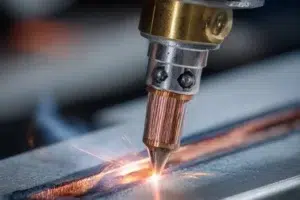
In real systems, the laser focuses energy into a small region, so diamond material breaks apart and leaves the surface, while most of the crystal stays cool and stable.
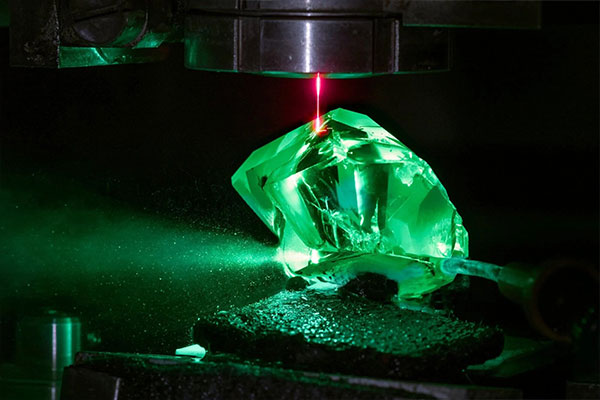
From Laser Beam to Clean Cut
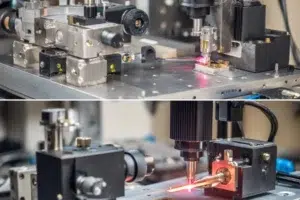
In most modern factories, the laser is part of a larger cutting system. This system often includes 3D scanning22, planning software, precise motion control, and a sealed cutting head. A simple view of the workflow looks like this:
| Step | What Happens | Why It Matters for Users |
|---|---|---|
| Scan | The rough stone is scanned and mapped | Understand shape and inclusions |
| Plan | Software suggests best cutting strategy | Maximize final carat and value |
| Laser cut | The system follows the planned paths with a beam | Create complex shapes with less waste |
| Mechanical finish | Bruting and polishing tools finish the surface | Add brilliance and final appearance |
The laser generates a very small, intense spot. When that spot moves across the diamond, material is removed layer by layer. There is no direct physical contact. This reduces the risk of chips on the edges. It also helps keep more usable material, because the cut width can be very narrow. For many high-value stones, this combination of planning plus laser cutting3 is now standard, because it protects both beauty and money.
Laser Cutting vs Traditional Tools: What Does the User Actually Get?
From a buyer’s point of view, the process inside the factory does not matter as much as the final result.
Lasers and traditional tools work together to give users better symmetry, higher clarity34, and more consistent quality45, especially in high-value stones and lab-grown diamonds.
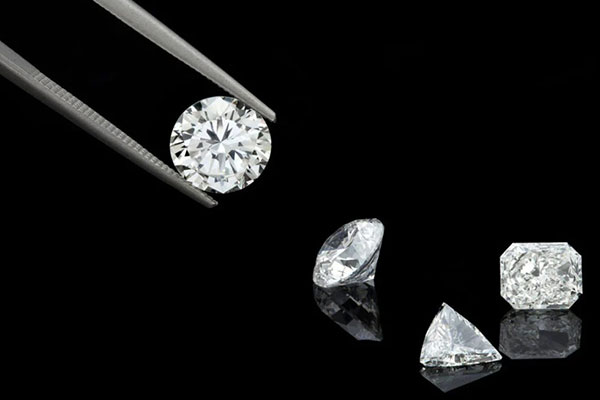
What Changes When a Factory Uses Lasers?
When a cutting house adds laser systems, it does not throw away its old wheels and laps. It changes how each tool is used:
| Stage in Workflow | Main Tool Today | User-Facing Benefit |
|---|---|---|
| Rough splitting | Mechanical cleaving + laser | Lower risk of major cracks |
| Shape definition | Laser for complex geometry | More creative cuts and styles |
| Inclusion avoidance | Laser guided by internal scan | Better clarity and less visible defects |
| Rounding and fine shaping | Bruting with diamond wheels | Controlled overall shape |
| Final polishing | Diamond polishing laps | High brilliance and clean facet edges |
For the end customer, this means more stable quality. Two stones cut in different batches can still show very similar symmetry and proportion, because key steps follow digital plans. Lasers also support trends like fancy shapes, ultra-thin girdles, and special cuts for lab-grown stones. In these designs, mechanical methods alone would be slow or risky. By moving more of the shaping work to laser systems, and keeping polishing in the hands of diamond tools, factories can match modern design ideas without losing control over yield.
What Does “Laser-Cut Diamond” Really Mean for Different Users?
“Laser-cut diamond” sounds like a marketing phrase, but it has real meaning for different buyers along the value chain.
For jewelry brands, laser cutting supports new designs and stable supply; for industrial users, it means higher precision and better repeatability in optical or mechanical parts.
How Different Users Benefit from Laser-Based Cutting
Different types of customers see different advantages when factories adopt laser cutting:
| User Type | What They Care About | Impact of Laser-Based Cutting |
|---|---|---|
| Jewelry brand owners | Design freedom, stable quality | More shapes, better match across batches |
| Retail jewelers | Trust, consistency, certification | Easier to explain quality to end buyers |
| Industrial equipment makers | Tolerance, surface quality, throughput | More precise parts with defined edges |
| Lab-grown diamond producers | Process control, scale | Automated workflow, higher yield |
With laser-based cutting, it is easier to create and repeat specific geometries. This is important not only for rings and necklaces, but also for diamond parts in cutting tools, optics, and sensors. For these customers, the key value is not romance. It is reliability. As laser systems evolve, they also depend more on stable internal laser sources and well-designed semiconductor pump modules. Those inner components do not appear in public marketing, but they are now a core part of what “modern diamond cutting” means on the technical side.
Conclusion
Diamond cutting today is no longer just a question of “which saw is used”. It is a full process that mixes diamond tools, planning software, and high-power laser systems.
For users, this mix delivers cleaner shapes, higher yield, and more stable quality, whether the diamond goes into a ring or into a piece of high-end equipment.
- Explore this link to understand how diamond abrasives enhance precision in diamond cutting, ensuring high-quality results. ↩
- Discover how 3D scanning enhances precision in diamond cutting, ensuring optimal results and minimizing waste. ↩
- Explore this link to understand the technology behind laser cutting, its applications, and benefits in various industries. ↩
- Explore how higher clarity enhances the beauty and value of diamonds, making them more desirable for buyers. ↩
- Learn why consistent quality is crucial in diamond production and how it affects customer satisfaction and market value. ↩